



Your Guide to Theodore Roosevelt NP and North Dakota’s National Parks
The Peace Garden State is rich in beautiful landscapes, sections of which have been designated as national parks and historic sites. One of the most beautiful is Theodore Roosevelt National Park, the only national park to be named after a president. Located in the western part of the state, where the Great Plains meet the Badlands, it encompasses 110 square miles of hills, hiking trails, and scenic drives through the rugged terrain.
The Little Missouri River flows through Theodore Roosevelt National Park, which is divided into three different sections. Visitors can spot bison, bighorn sheep, elk, and other wildlife that inhabit the ancient Badlands.
The park offers 100 miles of trails for hiking, horseback riding, and biking through the three sections. All bikes, recreational vehicles, and other vehicles must remain on the roads. This includes the non-motorized 144-mile Maah Daah Hey Trail.This trail system runs through the park and other areas of the Badlands.
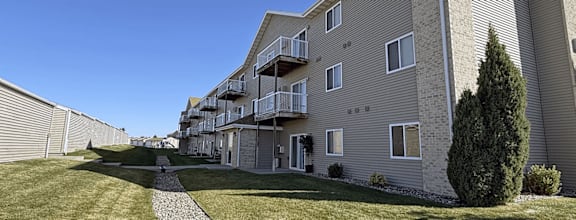
Here at The Reserve at Elk Crossing, Willistons premier apartment community, we love to help our residents with their exploration of our home state. Thats why weve put together this guide to North Dakotan national parks, with a particular focus on Theodore Roosevelt NP. Lace up your hiking boots and lets hit the trail!

Theodore Roosevelt National Park North Unit
The North Unit offers the park's most dramatic scenery. According to the Park Service, this unit is visited less frequently since it is 50 miles from Interstate 94. The 14-mile North Scenic Byway takes at least 1.5 hours. It is 28 miles round-trip through the Badlands. The road leaves the canyon, heading to the River Bend Outlook, one of the park's most spectacular viewpoints. The road ends at the Oxbow Overlook.
Hiking trails wind through the area. The Buckhorn, Caprock Coulee, and famed Achenbach trail traverse the park's vast wilderness areas in the North Unit. The Juniper campground offers primitive campsites for tents and RVs. Electrical hookups are not available. Backcountry overnight camping requires a permit.
By vehicle or by foot, visitors are likely to see bison and bighorn sheep. All wildlife in the park is always protected. Hikers may spot prairie dogs, birds, and reptiles, including rattlesnakes. The North Unit includes a small Visitor Center at the entrance, staffed with park rangers who can provide road information.
Elkhorn Ranch Middle Section and Park History
Theodore Roosevelt first visited the Badlands in 1883 to hunt bison. The animals were plentiful at the time, and hunting was permitted. Roosevelt was 24 years old, a young man from New York who had asthma. He enjoyed the rugged outdoor life experienced during the 15-day camping trip in the wilderness. He also realized the importance of conserving the land for future generations. Roosevelt established national parks, forests, and monuments during his presidency. He is credited with saving 230 million acres of land.
Roosevelt built the secluded Elkhorn Ranch, now part of the park between the North and South units. "My home ranch lies on both sides of the Little Missouri, the nearest ranch man above me being about twelve, and the nearest below me about ten, miles distant." Theodore Roosevelt explained in1887. He purchased the ranch to raise cattle. The ranch was sold in 1898 when Roosevelt became Assistant Secretary to the Navy.
The stone foundation of Roosevelt's cabin remains for visitors to explore. An exhibit features his writings about the Badlands. The remote area is reached on an unpaved road. Visitors should consult road conditions before driving or riding bicycles to the site.

South Unit
President Harry Truman designated the southern part of the Badlands a National Memorial Park in 1947, adding the northern section in 1948.
The South Unit of the park is located along Interstate 94. This is the most visited part of the park with a 36-mile Scenic Drive. Visitors are advised to plan at least two hours to enjoy this scenic loop that winds through the Badlands. The road passes hiking trails and several overlooks.
Camping is available in this unit at the Cottonwood Campground in the shade of cottonwood trees. A special Roundup Group Horse Campground is available for riders experiencing the park on horseback.
All hikers and campers are expected to carry out their trash and leave only footprints.
North Dakota National Historic Sites
The National Park Service maintains two historic parks in North Dakota, in addition to TR Park, including the Fort Union Trading Post. This was the major trading post on the Upper Missouri River between 1828 and 1867. It is located on the border of North Dakota at the Montana state line on ND1804, off of U.S.2, approximately 23 miles west of Williston. At least seven Native American nations from the Northern Plains Tribes exchanged furs with traders who provided cloth, blankets, beads, and firearms.
The Knife River Indian Villages near Stanton, ND, detail the life of Northern Plains Tribes of the Upper Missouri River. These tribes lived in earth lodges along the shores of the Knife River where it meets the Missouri. It is part of the Lewis and Clark Trail on U.S. 2. The Lewis and Clark Expedition followed the Missouri River across what is now North Dakota. The Park Service maintains the 4,900-mile historic trail that covers 16 states.
The North Country National Scenic Trail from North Dakota to Vermont is another National Historic Trail also maintained by the Park Service.

The Reserve at Elk Crossing
There you have it folks.
If you’re looking to live in range of Theodore Roosevelt National Park and these historic sites then visit us at The Reserve at Elk Crossing. We offer spacious, amenity-rich floor plans named after the great species of North American elk— the 1-bedroom “Tule,” the 2-bedroom “Manitoban” and “Merriam,” and the 3-bedroom “Roosevelt.” Residents also gain access to their very own detached, two-car garage.
Schedule your tour today and come home to The Reserve at Elk Crossing.